
High call volumes and limited rest. Challenging interactions with referring physicians. Lower satisfaction and well-being.
According to a national survey measuring the perceptions of resident call, these are some of the most common cited experiences of radiology residents on call.
The study, recently published in the CAR Journal (CARJ), aims to know more about the variability in call structures across Canadian radiology institutions and the perceptions of the residents in those programs.
Dr. Neel P. Mistry from the University of Saskatchewan was part of the research team and one of the lead co-authors of the project.
“We recognized early on that call structures vary widely between institutions, but there was a scarcity of national data highlighting those differences,” he said. “By surveying residents across Canada, we wanted to move beyond anecdotal experiences to better understand common challenges and identify patterns that could inform improvements at both the institutional and national level.”
Dr. Mistry says their research found that Canadian radiology residents experience high call volumes, limited sleep, and decreased levels of supervision on a regular basis.
“These factors were strongly associated with lower call satisfaction and reduced well-being. We also found that interactions with referring physicians were often perceived negatively, which added another layer of stress to the overall call experience.”
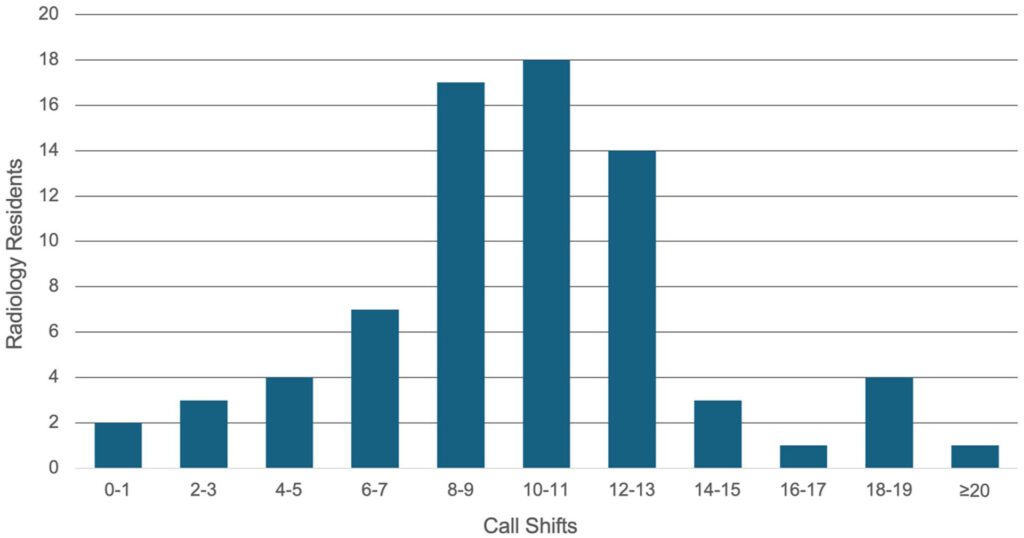
One of their most striking findings, said Dr. Mistry, was learning how many residents reported getting little to no sleep on call and how consistently it correlated with lower satisfaction and ability to function the next day.
“Another standout was how commonly call volume was described as unmanageable, even among more senior residents. The consistency of these concerns across both programs and cohorts highlighted that these are not isolated or negligible issues.”
Dr. Mistry is hopeful the study encourages residents and radiology programs to think critically about how call is structured and reported.
“There are clear opportunities to improve things like workload distribution, access to supervision, and protected rest time. Ultimately, optimizing the call experience is not just about resident wellness, it is also about patient safety, learning, and creating a more sustainable training environment.”
For Dr. Mistry and others on the research team, the study was their first to be published in the CARJ, a feeling he described as surreal.
“It feels incredibly rewarding. As residents, call is such an integral part of our training, so seeing a project that reflects our lived experience published in a national journal feels both validating and meaningful. It is especially gratifying knowing that our work can contribute to broader conversations about training and wellness across Canada.”
Read the full study here.